Long before surfers discovered its legendary waves, Siargao Island harbored ancient civilizations, colonial intrigue, and a deeply rooted culture shaped by the sea. Peel back the layers of this tear-drop-shaped island and uncover a history as compelling as its world-famous breaks.
Siargao Island's human story stretches back thousands of years, rooted in the great Austronesian migration that populated much of Southeast Asia and the Pacific. Archaeological and linguistic evidence suggests that seafaring peoples arrived on the island as far back as 3,000 to 4,000 years ago, establishing small coastal communities sustained by fishing, hunting, and rudimentary agriculture. These early inhabitants were ancestors of the present-day Surigaonon people, whose language and customs reflect a deep kinship with the surrounding sea. The island's abundant marine resources and sheltered coves made it an ideal settlement, and over centuries these communities developed sophisticated boat-building traditions and trade networks connecting them to neighboring islands.
By the time of early recorded Philippine history, Siargao was part of the broader Caraga region, a territory that maintained active trading relationships with Chinese, Malay, and Bornean merchants. Artifacts recovered along the Surigao coast — including Chinese porcelain, gold ornaments, and bronze ware — suggest that the communities surrounding Siargao were prosperous participants in inter-island commerce well before Spanish contact. The island's interior forests provided valuable timber and forest products, while its coastal waters yielded sea cucumbers, pearls, and fish prized across regional trade routes. These early economic foundations would shape the island's relationship with outside powers for centuries to come.
Spanish colonization fundamentally transformed Siargao and the surrounding Caraga region beginning in the late sixteenth century. After Miguel López de Legazpi established Spanish authority in the Philippines in 1565, Augustinian and later Jesuit missionaries pushed into Mindanao and the eastern Visayas, reaching communities around present-day Surigao del Norte. Siargao's scattered barangay settlements were gradually consolidated under the reducción policy, which compelled indigenous populations to relocate into nucleated towns centered on a Catholic church. This resettlement program reshaped the island's social geography, introduced new agricultural crops including corn and root vegetables, and imposed a parish-based administrative structure that persists in modified form to the present day.
The Spanish colonial period was far from peaceful on Siargao. The island and surrounding waters were repeatedly raided by Moro pirates — largely Iranun and Maranao seafarers from Mindanao and the Sulu Archipelago — who targeted coastal settlements for slaves and plunder throughout the seventeenth and eighteenth centuries. To defend against these raids, the Spanish constructed watchtowers and fortified churches across the region. Communities on Siargao developed a culture of maritime vigilance, and many settlements were relocated inland or to more defensible positions. These raids had a profound demographic impact, depopulating certain coastal zones and instilling a lasting memory of seafaring danger that is still echoed in local oral traditions and folk narratives.
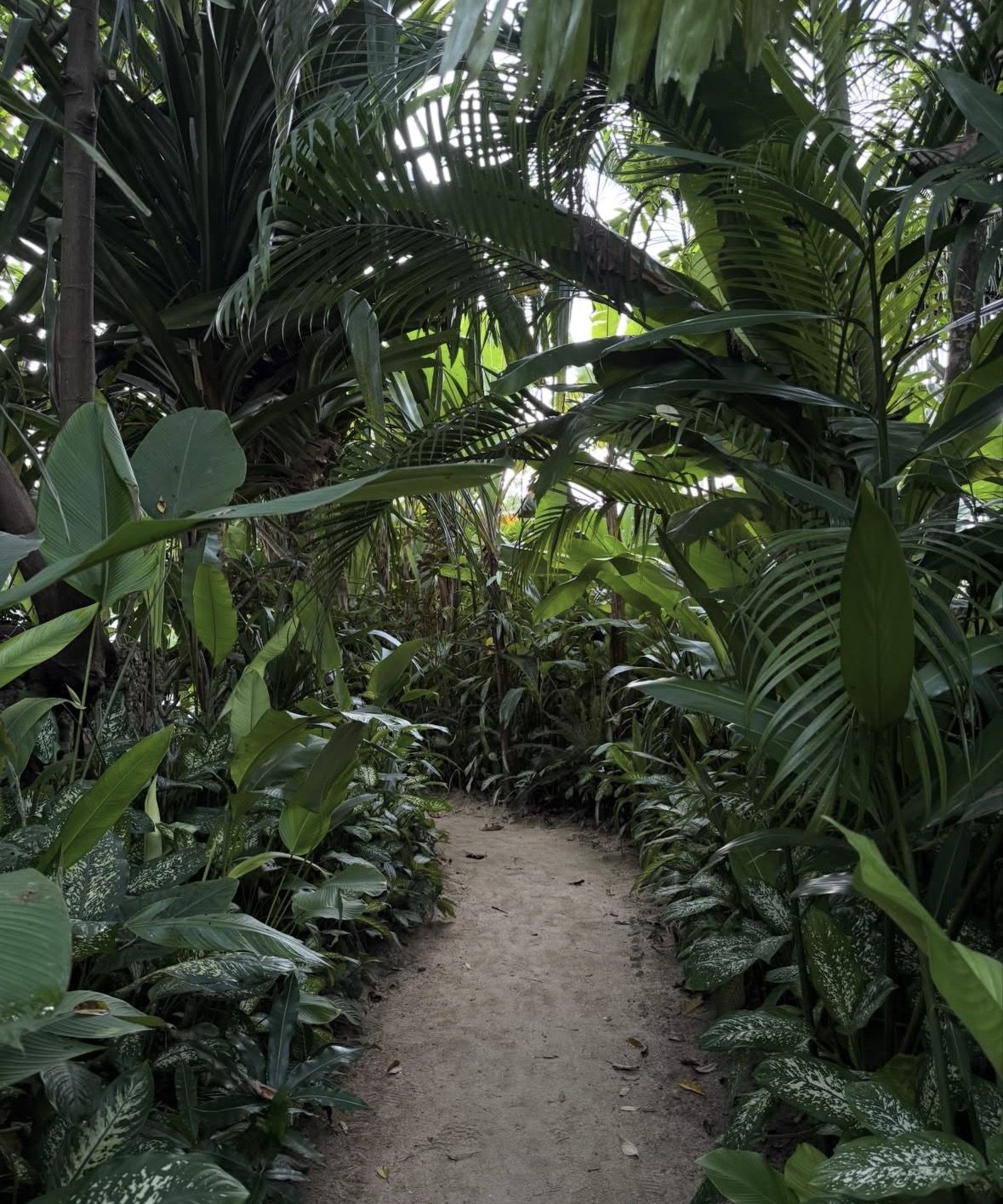
The nineteenth century brought gradual economic change to Siargao as the Spanish colonial government attempted to develop Mindanao and the eastern islands more systematically. Coconut cultivation, which would become the island's dominant agricultural activity for well over a century, expanded significantly during this period as global demand for copra — dried coconut meat used for oil production — surged in international markets. Siargao's farmers found a reliable cash crop that suited the island's tropical climate and relatively thin soils. The coconut palm became so central to island life that even today vast plantations of mature trees cover much of Siargao's interior, creating the lush, swaying canopies that frame the island's iconic landscape and distinguish it from the bare coastal atolls of the central Philippines.
For most of the twentieth century, Siargao remained a quiet agricultural island largely dependent on copra production and subsistence fishing. The American colonial period introduced public schooling and basic infrastructure, and the post-independence era saw the municipality of General Luna — the island's main tourism hub — develop as a modest administrative and commercial center. Life on the island revolved around the rhythms of coconut farming and the fishing calendar, with families closely tied to the land and sea across generations. The island had little interaction with international tourism, and even domestic visitors were rare, given the difficulty of reaching this remote outpost on the northeastern tip of Mindanao.
Everything changed in the early 1990s when foreign surfers — predominantly Americans and Australians — began making their way to a reef break off the coast of General Luna known locally as Cloud 9. The wave, a powerful, hollow right-hand barrel that breaks over a shallow coral reef, quickly earned a reputation as one of the finest surf spots in Asia. Surf magazines published features that sent ripples through the global surfing community, and a small but passionate wave of adventurous travelers began making the long journey to Siargao. Rudimentary guesthouses and surf camps sprang up along the coastline, laying the foundation for a tourism economy that would eventually eclipse copra as the island's primary source of income.
The inauguration of the Siargao International Surfing Cup in 1996 proved to be a watershed moment for the island's international profile. Held annually at Cloud 9, the competition attracted professional surfers from around the world and brought media attention that no marketing campaign could have replicated. The Philippine government and local authorities began investing in airport upgrades, road improvements, and tourism infrastructure throughout the late 1990s and 2000s. By the 2010s, Siargao had transformed into a fully fledged travel destination, drawing not only surfers but also divers, island-hoppers, food travelers, and digital nomads drawn by the island's combination of natural beauty, warm community spirit, and improving connectivity.
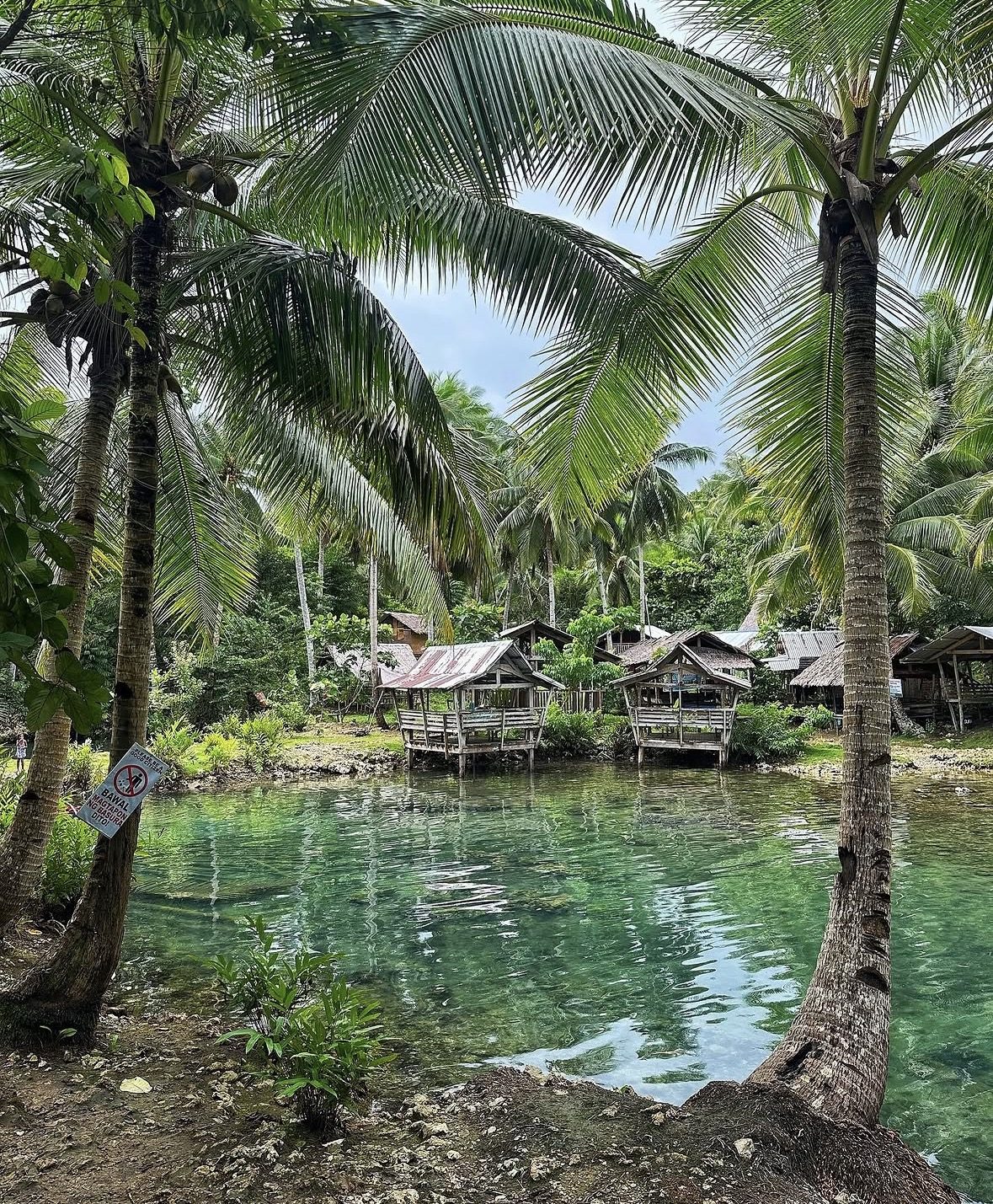
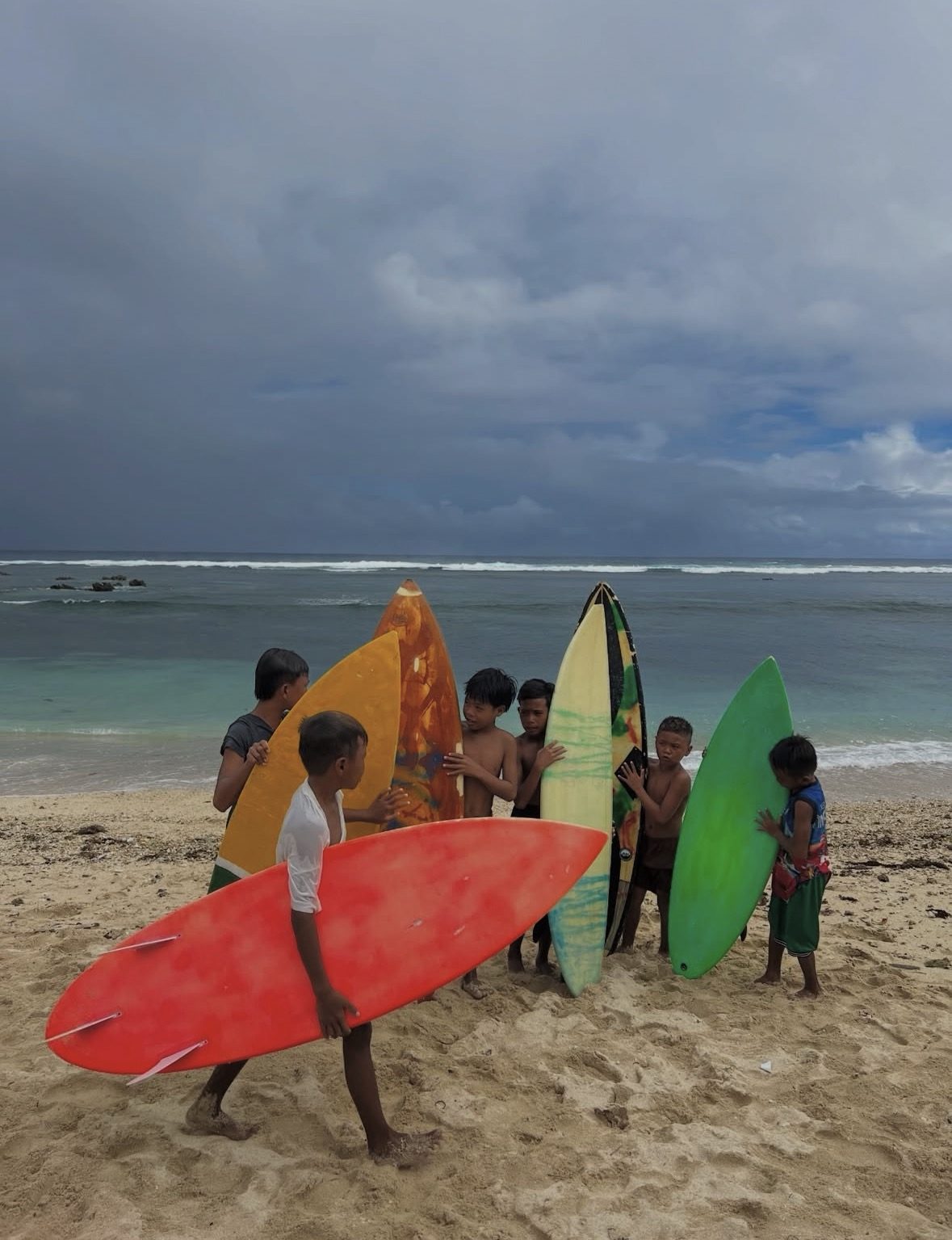
Modern Siargao is a fascinating study in contrasts — a place where centuries-old fishing traditions coexist with boutique resorts, farm-to-table restaurants, and a thriving creative scene. The island was devastated by Super Typhoon Odette in December 2021, which caused widespread destruction to homes, resorts, and coconut plantations. Yet the response of the Siargaonon community and the outpouring of national and international support demonstrated the island's remarkable resilience. By 2023 the recovery was well advanced, with many establishments rebuilt and a renewed commitment to more sustainable, community-centered tourism that respects both the natural environment and the cultural fabric that makes Siargao uniquely itself.
Today visitors to Siargao can surf legendary Cloud 9, explore the serene Sugba Lagoon, kayak through ancient mangrove forests, and island-hop to the white-sand paradises of Naked Island, Daku Island, and Guyam Island. The weekly Siargao Sunday market in General Luna celebrates local producers, while cultural festivals keep alive the Surigaonon music, dance, and craft traditions that have evolved across millennia. Whether you are chasing the perfect barrel, seeking quiet communion with nature, or simply wanting to understand a corner of the Philippines shaped by deep history, Siargao offers a journey unlike anywhere else. Come and discover for yourself why this island has captivated explorers, settlers, and dreamers across the centuries.
Ready to Experience It Yourself?
From surfing the iconic Cloud 9 to exploring ancient mangroves and pristine lagoons, Siargao Island promises an unforgettable experience steeped in history and natural wonder. Our handpicked tours and travel packages make it easy to discover every layer of this remarkable island. Book your Siargao adventure now and create memories that will last a lifetime.
Book Your Tour Now